Pharmakon
Narrative
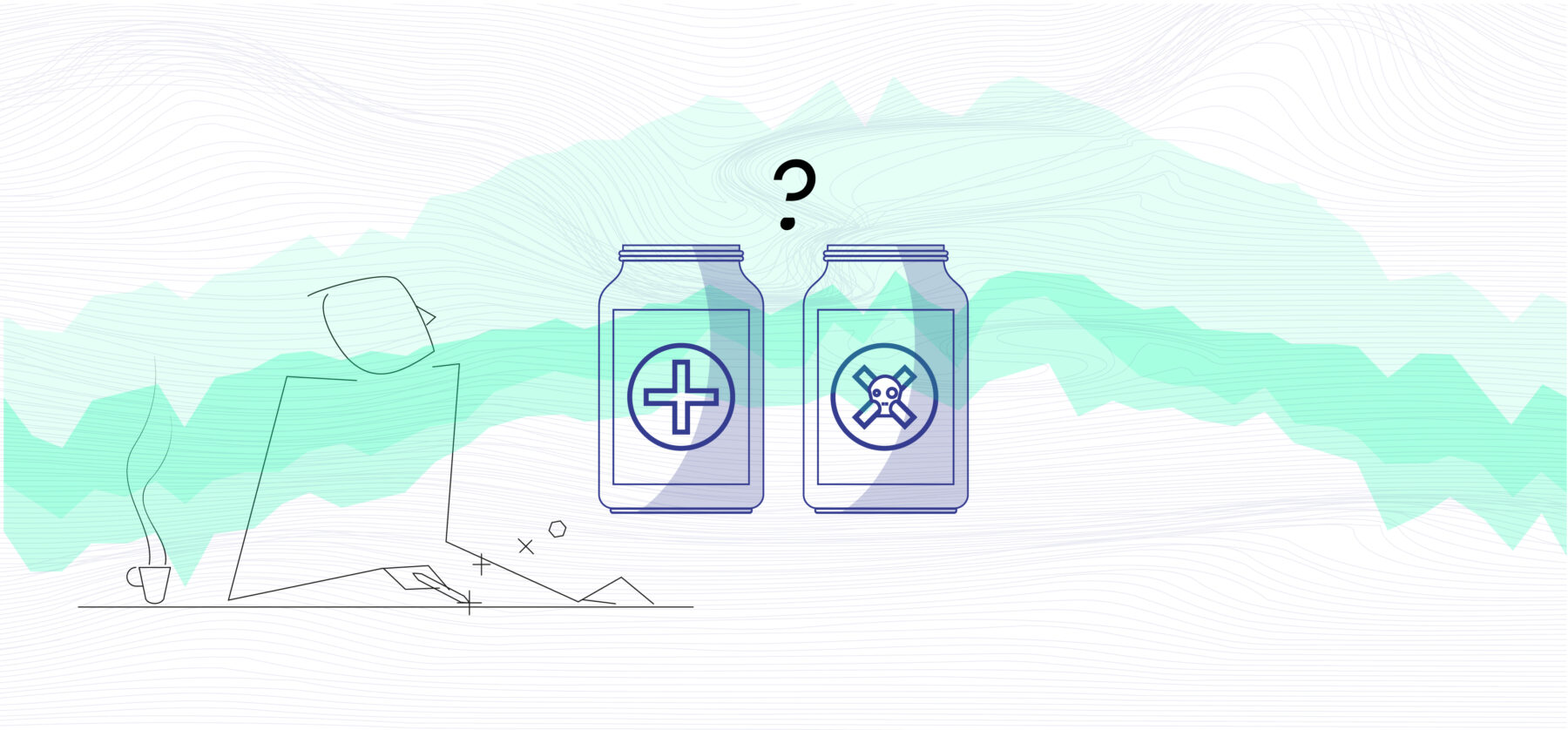
To adapt urban spaces to global warming, certain ingredients are well known: greening, thinning out urban areas, and promoting natural ventilation. These highly publicized levers are now at the heart of development strategies. Plants cool the environment through evapotranspiration, enhance biodiversity, filter water, store rainwater, purify the air, and, in the case of trees, provide shade. Light-colored surfaces limit the absorption of solar radiation, which helps to lower the air temperature. As for natural ventilation, bioclimatic design aims to make urban fabrics permeable to breezes in order to dissipate heat and improve the thermal comfort in summer.
But maladaptation can feed on the same ingredients. Massive greening, indiscriminate whitewashing, or blindly increasing wind speed can increase urban vulnerability. Planting trees requires resources and maintenance, and their benefits are only real when they reach maturity, with species adapted to the urban and climatic context and a relevant location. Premature mortality equates to a waste of the resources mobilized to support the plant's development, and poor planting design can generate more disadvantages than advantages: biogenic emissions, reduced local ventilation, increased pollutant concentration, and reduced nighttime heat release from urban surfaces under the canopy. Similarly, a light-colored surface, which reflects unabsorbed radiation, can cause glare and increase heat stress for pedestrians despite a drop in air temperature. Wind itself is not immune to this ambivalence: a source of coolness in temperate climates, it becomes detrimental when the air temperature exceeds 40°C, accelerating heat exchange with an environment that is warmer than the human body.
A gesture designed to heal can thus prove to be a mirage of resilience, increasing real vulnerability behind the illusion of reducing it. Since adaptation and maladaptation are based on the same ingredients, the challenge lies not in quantity, but in the art of dosage and discernment, depending on the location and the timeframes involved.
The ancient Greeks had a word that embodies the complexity of this ambiguity: pharmakon. Both remedy and poison, in Plato's view it does not refer to an object, but to an operation that displaces an evil. Thus, strategies that are effective in summer can weaken winter by increasing heating needs and carbon footprints. Healing always involves risk, and any poorly calibrated act of protection can become a threat. Pharmakon teaches us that there is no miracle potion for successfully adapting territories to climate change. Preserving the livability of tomorrow's cities relies on a fragile alchemy that requires engineering and scientific research to calibrate care actions according to the context in order to avoid the emergence of undesirable side effects.
Contribution
From the book "Les 101 Mots de l'Adaptation, à l'usage de tous", sous la direction de l'Atelier Franck Boutté
Title
Pharmakon
Author
Matteo Migliari, lead consultant at Atelier Franck Boutté
Editor
Archibooks
Publication date
2025
Pages
176 pages
Illustration
Sébastien Hascoët

Matteo Migliari
/ Lead consultant